




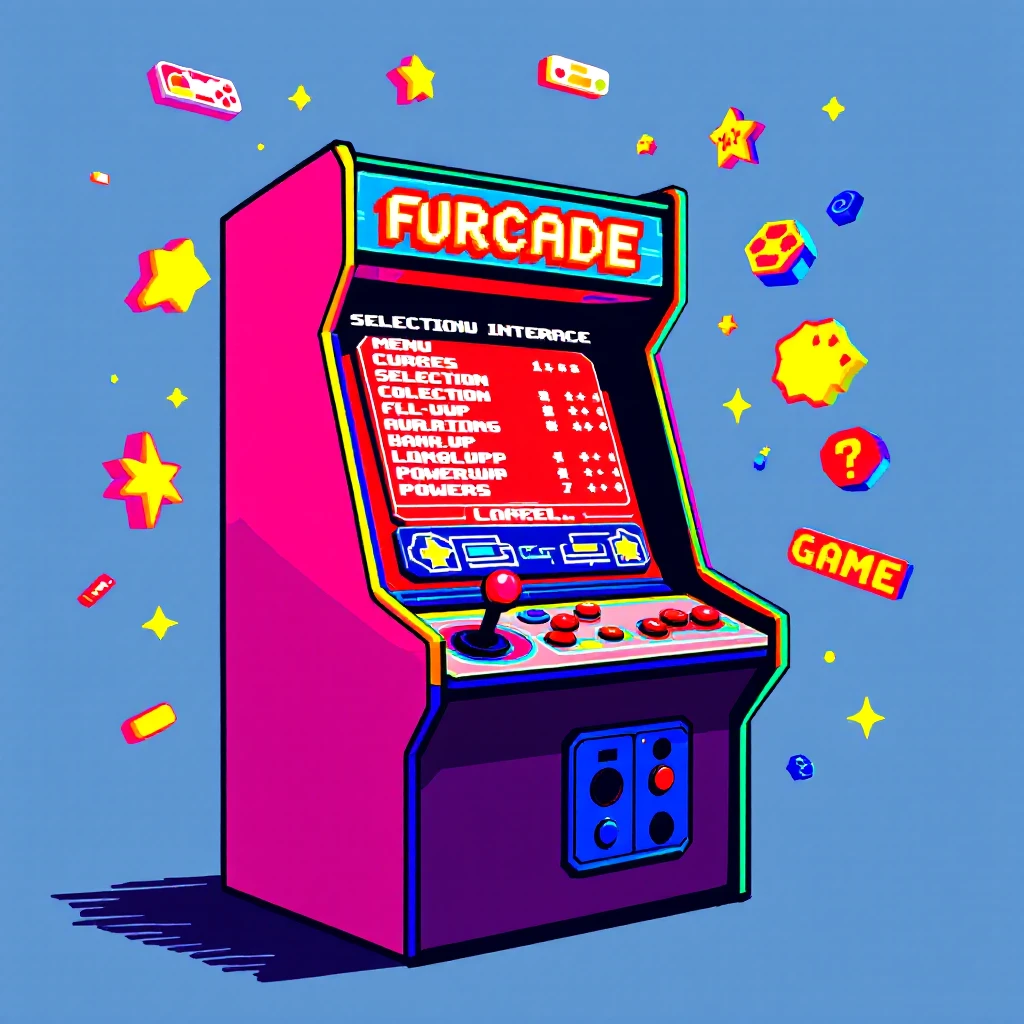
Retro Gaming Interfaces
Description
Explore the nostalgic allure of retro gaming interfaces, where the blocky pixels and simple mechanics of classic arcade titles from the ’80s and ’90s inspire fresh approaches to modern UI challenges. This mini-course unfolds over 3–5 hours through 10 detailed PDF modules, each delivering focused textual lessons that build your skills progressively without any prior expertise required. You’ll begin by immersing yourself in the core aesthetics of retro gaming, dissecting the vibrant, limited visuals that made early consoles and cabinets so captivating, evoking that sense of wonder from simpler times.
Building on this foundation, the lessons guide you into pixel art essentials tailored for interface creation, where you’ll experiment with constructing sharp, modular components that echo the charm of low-resolution graphics while avoiding unnecessary complexity. Delve deeper into mastering color palettes under constraints, like the iconic 16-color limits, learning to select shades that draw focus and enhance usability in ways that feel both authentic and effective for guiding interactions.
Shifting gears, discover the intricacies of typography suited to retro screens, finding methods to display text that remains legible on simulated grainy displays yet incorporates era-specific styles for added personality. Hands-on exploration continues with fundamental UI building blocks, including selection tools, menu layouts, and navigation paths designed to handle the limitations of vintage hardware while keeping user flow intuitive and engaging.
As you gain momentum, the modules address establishing visual hierarchy and providing clear feedback mechanisms—relying on straightforward indicators to confirm actions and maintain immersion in gameplay scenarios. Draw inspiration from thematic elements of the period, such as alien invasions or mythical worlds, to personalize your designs and inject character that resonates with nostalgic players.
Introduce subtle animations to bring elements to life, replicating the smooth yet basic transitions of old games to add dynamism without complicating the overall structure. Finally, integrate these concepts by assembling full menu systems, layering interfaces from initial screens to in-game pauses for a cohesive experience. The course culminates in a hands-on project: designing a complete retro-style interface prototype that merges historical fidelity with contemporary standards, perfect for game developers or artists exploring nostalgia in apps, emulators, or indie titles. These PDFs cater to anyone with a budding interest, methodically steering you toward crafting interfaces that celebrate gaming’s roots while delivering seamless, frustration-free performance today.

 3
Products
3
Products
-
Category:Graphic Design
-
Rating:
-
Product Type:Mini-course
-
Level:Starter-friendly
-
Duration:Medium (3–5 hours)

Share Your Experience
& Help Others Grow
Did this course help you on your creative journey? Your feedback is invaluable. It helps the instructor improve and guides future students in our community of creators.
You must be logged in to post a review.
Log inTips, Tricks, and Inspiration
Dive deeper into the world of creativity with fresh ideas and expert advice from our blog.
How to Stay Motivated During Long Courses
Delayed Development: How to Change Your Mindset
Creating a Personal Learning Space