




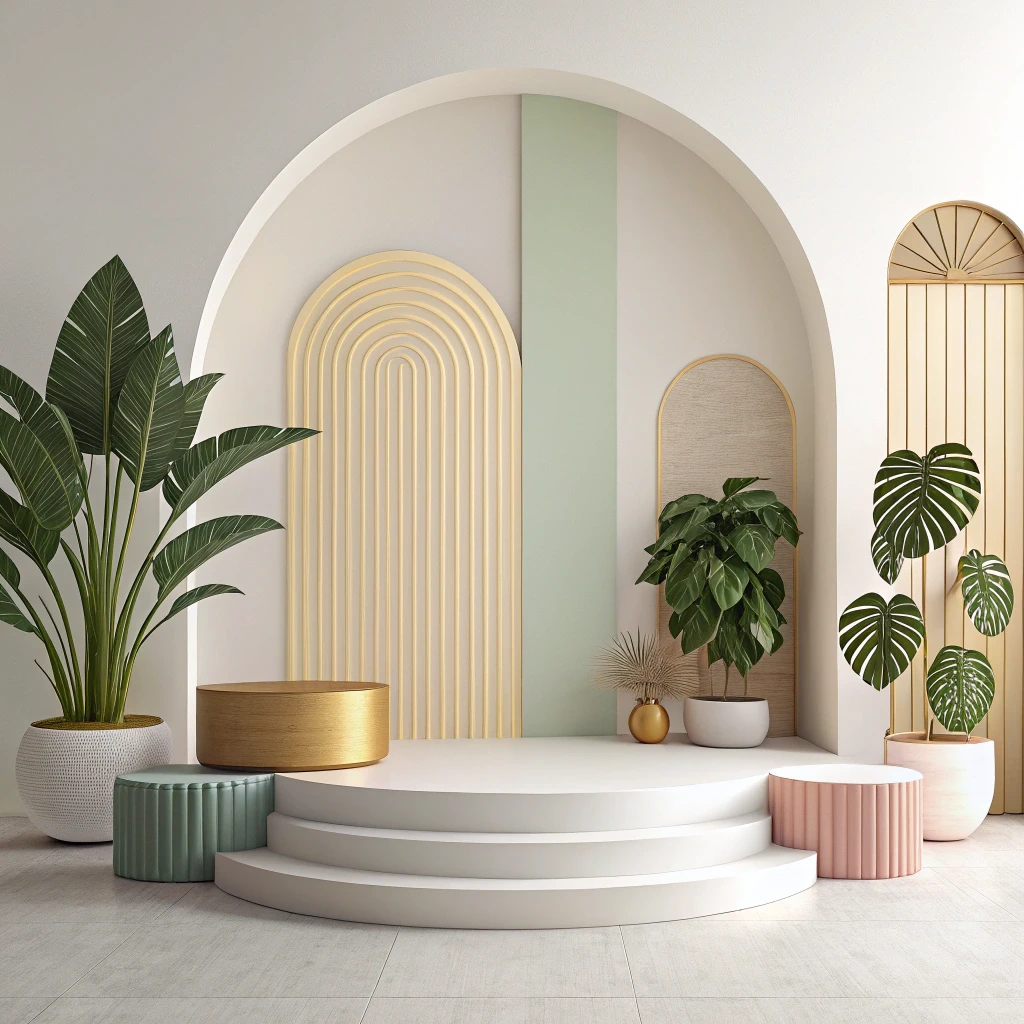
Minimalist Design Principles
Description
Minimalist design principles guide creators toward simplicity that uncovers true essence, focusing on intentional choices over unnecessary details to foster clarity in every project. Delivered as seven insightful PDF modules centered on textual learning, this mini-course invites you to explore the philosophy of minimalism first, delving into its roots that go far beyond surface-level reduction to embrace purposeful restraint in creative decisions. You’ll then learn to identify what truly matters, separating core elements from distractions while harnessing the power of empty space to create balanced visuals that draw the eye precisely where intended. Building on this, discover how to select subtle color palettes that enhance key focal points without overwhelming the composition, ensuring every hue serves the overall harmony. The journey continues with practical advice on typography selections that promote straightforward communication, paired with reliable grid systems to organize layouts cohesively across various formats. Finally, bring it all together by applying these concepts to everyday professional contexts, from digital interfaces to print materials, empowering beginners to produce polished work grounded in thoughtful precision rather than complex techniques. Ideal for those starting in design, these text-based resources provide a solid groundwork, emphasizing conceptual depth to refine your approach and achieve outputs that resonate with elegance and efficiency.
In the module ‘Understanding Minimalism: Beyond Simple Aesthetics,’ you’ll uncover the deeper philosophy that shapes this approach. ‘Essential Elements: What to Keep and What to Remove’ teaches discernment for vital components. ‘Mastering White Space for Visual Impact’ explores negative space’s role in balance. ‘Limited Color Palettes That Speak Volumes’ guides restrained selections for focus. ‘Typography That Communicates Clearly’ covers direct typographic choices. ‘Grid Systems for Organized Layouts’ offers frameworks for coherence. ‘Putting It All Together: Real-World Applications’ synthesizes everything for practical use.

 3
Products
3
Products
-
Category:Graphic Design
-
Rating:
-
Product Type:Mini-course
-
Level:Starter-friendly
-
Duration:Short (30 min–2 hours)

Share Your Experience
& Help Others Grow
Did this course help you on your creative journey? Your feedback is invaluable. It helps the instructor improve and guides future students in our community of creators.
You must be logged in to post a review.
Log inTips, Tricks, and Inspiration
Dive deeper into the world of creativity with fresh ideas and expert advice from our blog.
How to Stay Motivated During Long Courses
Delayed Development: How to Change Your Mindset
Creating a Personal Learning Space