




Arabic Cultural Festivals and Basic Terms
Description
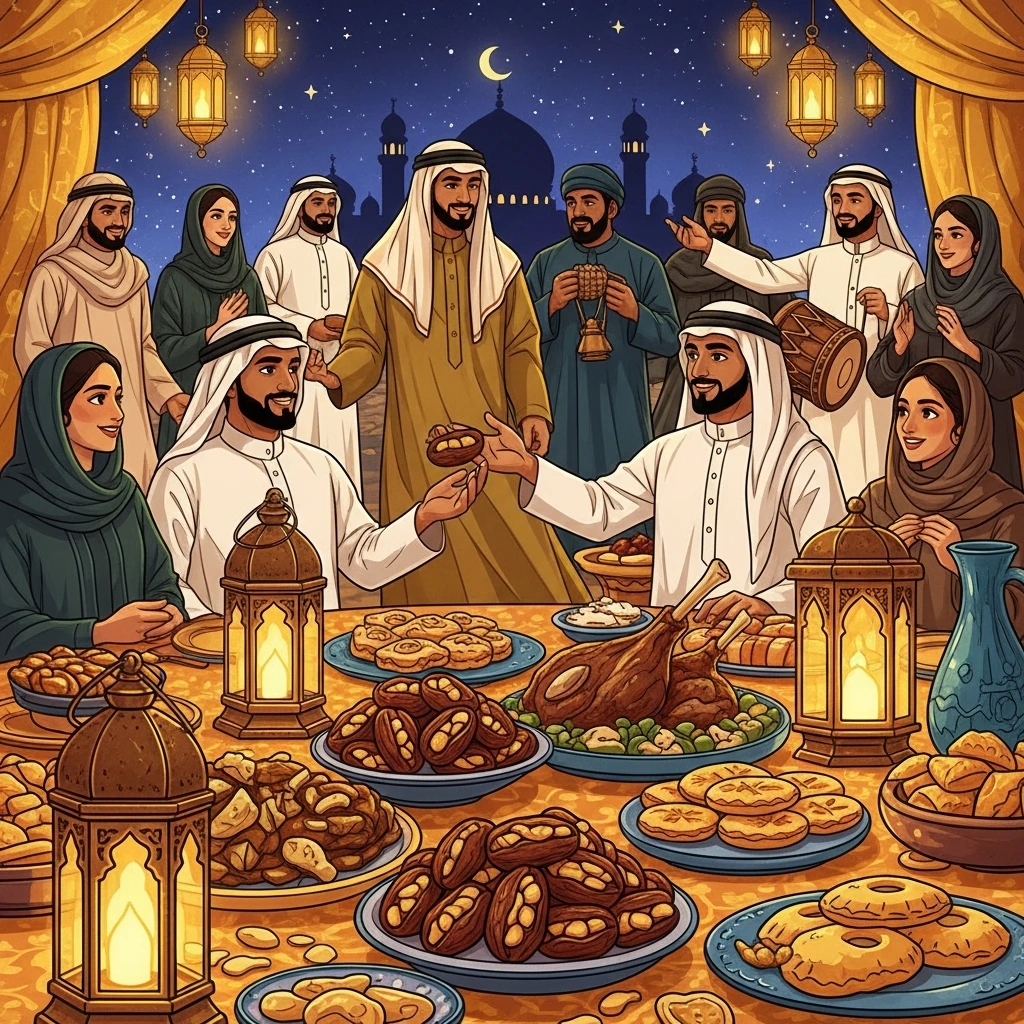
This beginner-level mini-course offers a structured exploration of Arabic cultural festivals through ten comprehensive PDF guides, each focusing on textual explanations, practical examples, and vocabulary-building exercises to deepen your understanding of traditions observed throughout the Arab world. Beginning with an introduction to the broader landscape of Arabic celebrations, the materials guide you through the spiritual depth of Ramadan, a period dedicated to fasting, prayer, and communal reflection that strengthens family bonds and personal discipline. The subsequent sections detail the joyous conclusion of this holy month with Eid al-Fitr, where communities come together for prayers, feasts, and acts of charity, highlighting themes of gratitude and renewal. Further into the course, you’ll encounter the profound rituals of Eid al-Adha, commemorating sacrifice and devotion through shared meals and reflections on faith, alongside the reverent observances of Mawlid, which honor the Prophet Muhammad’s life with recitations, poetry, and gatherings that emphasize compassion and legacy. Dedicated guides address the sensory aspects of these events, such as the preparation of iconic festival dishes—think dates stuffed with nuts or savory lamb stews—passed down through generations as symbols of abundance and togetherness. Traditional attire receives careful attention too, from the flowing thobes worn by men to the elegant abayas for women, each piece carrying stories of modesty, heritage, and regional pride. Music and dance emerge as vital threads, with rhythmic dabke steps and soulful oud melodies that animate evenings and foster a sense of unity across diverse landscapes. Variations in how these festivals unfold—from the lantern-lit streets of Morocco to the camel processions in Saudi Arabia—reveal the mosaic of Arab identities, encouraging appreciation for both shared roots and local flavors. Essential vocabulary sections equip you with phrases for greetings like ‘Eid Mubarak’ and terms for customs, ensuring you can engage meaningfully in conversations. Finally, a practical guide synthesizes these elements, offering tips on participation etiquette, from gift-giving norms to navigating family-hosted iftars, all designed to prepare you for real-world immersion whether through travel, cultural exchange, or building bridges with Arabic-speaking communities. Ideal for those drawn to the intersections of faith, history, and daily life in the Arab world, this resource provides a thoughtful pathway to cultural literacy without overwhelming beginners.

 2
Products
2
Products
-
Category:Cultural Insights
-
Rating:
-
Product Type:Mini-course
-
Level:Beginner
-
Duration:Medium

Share Your Experience
& Help Others Grow
Did this course help you on your creative journey? Your feedback is invaluable. It helps the instructor improve and guides future students in our community of creators.
You must be logged in to post a review.
Log inTips, Tricks, and Inspiration
Dive deeper into the world of creativity with fresh ideas and expert advice from our blog.
How to Stay Motivated During Long Courses
Delayed Development: How to Change Your Mindset
Creating a Personal Learning Space